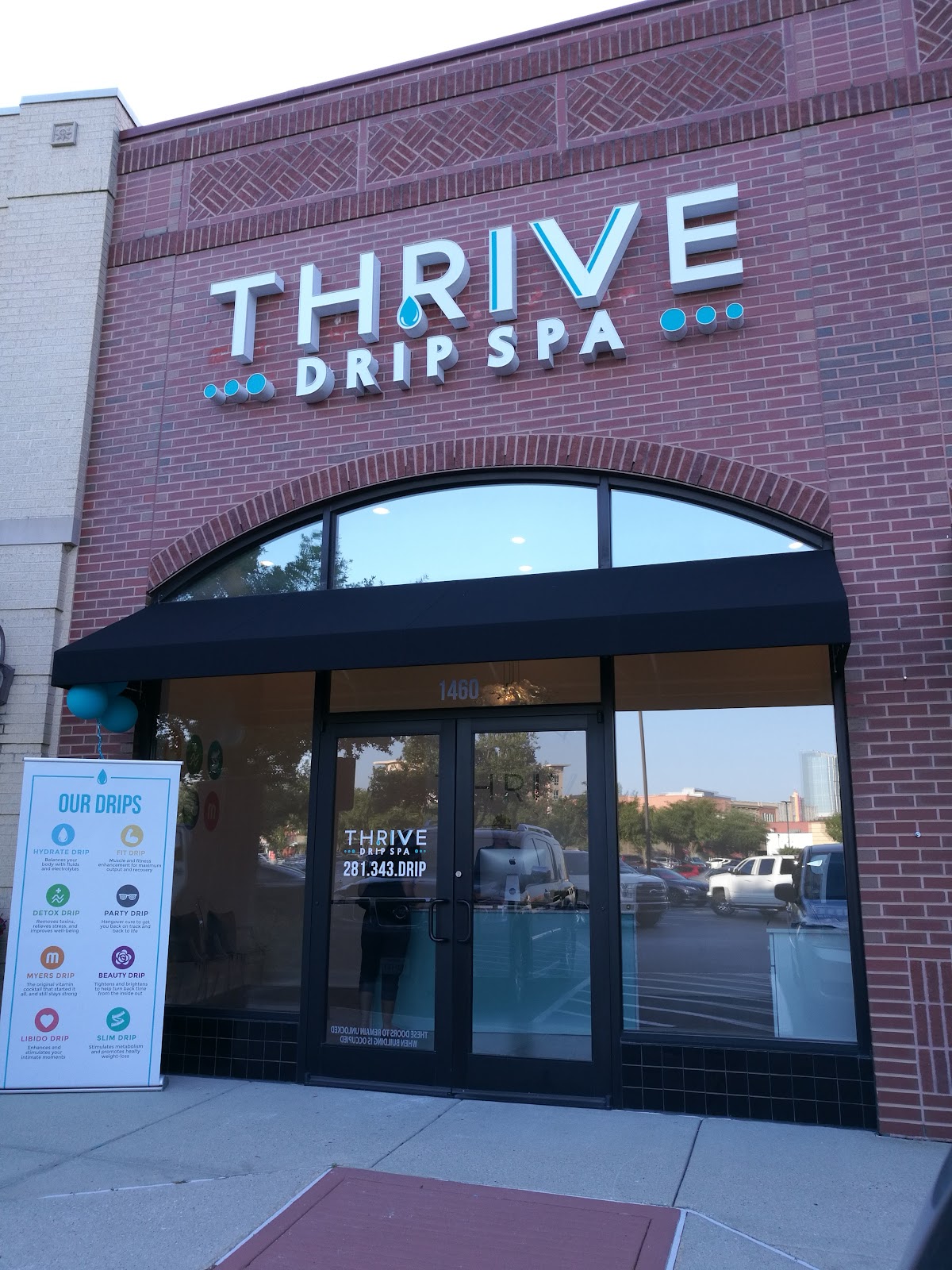
Most people don't think about the connection between regular IV therapy and what their lab results actually show. If you're getting IVs done at a med spa in The Woodlands, you should know what healthy bloodwork looks like and how the nutrients you're getting intravenously can shift those numbers. The truth is, IV therapy doesn't work like a magic eraser. It works by delivering vitamins, minerals, and amino acids directly into your bloodstream, which means your body can absorb and use them more efficiently than oral supplements. But that efficiency only matters if you understand what you're actually trying to improve in the first place.
Know Your Baseline Before You Start
Before you book your first IV at ThrIVe Drip Spa, get basic bloodwork done. I'm talking about a complete metabolic panel, a CBC, and a vitamin D level. Your doctor or a local lab in The Woodlands can run these. This gives you a real starting point. If your vitamin D is sitting at 28 ng/mL, that's deficient. If your magnesium looks low, or your B12 is barely hitting the minimum normal range, that tells you something. Too many people start IV therapy without knowing whether they actually need it, and then they can't tell if it's working because they never measured where they started.
What Healthy Bloodwork Actually Looks Like
Once you've got your baseline, here's what you're aiming for. Vitamin D should be between 40 and 60 ng/mL for most people. B12 should be above 400 pg/mL, ideally closer to 500 or higher if you want optimal energy. Magnesium is trickier because standard serum magnesium tests aren't very sensitive, but you want to see it above 2 mg/dL. If you're getting IV Myers' cocktails or similar infusions, you're targeting better mineral balance overall. Electrolytes matter too. Your sodium, potassium, and chloride should be in the normal range, and if you're doing a lot of athletic activity in the Texas heat, staying hydrated and maintaining these levels actually does make a difference in how you feel.
What Changes After Regular IV Therapy
After three to six weeks of regular IV therapy, meaningful bloodwork shifts take time. Vitamin D doesn't jump overnight. But if you're coming in every two weeks for a high-dose vitamin C or B-complex infusion, your B vitamin levels should start climbing. You might see B12 go from 420 to 550 or higher. Folate levels improve. If your baseline showed any magnesium depletion, that corrects. The real question is whether these changes translate to how you feel. Some people notice better sleep, clearer thinking, less fatigue. Others don't feel much different. Both responses are normal. The bloodwork is objective. The feeling is subjective.
Why Bloodwork Matters More Than Marketing Claims
Here's what I see a lot in the med spa industry. Businesses make big promises about what IV therapy will do. They say it boosts immunity or clears your skin or makes you younger. Some of that might be true for some people. But the only way to actually know if an IV protocol is working for you is to measure it. If someone tells you that glutathione IV will improve your skin, get your before and after photos and maybe ask your dermatologist what they think. If you're doing IV therapy for athletic recovery, track your workout performance and recovery time. If you're doing it for energy, keep a simple log of how you feel. Then compare that to your bloodwork. That's the real picture.
Building a Smart IV Protocol
Work with whoever is administering your IVs to pick formulations that match your actual bloodwork needs. If you're deficient in something, that's what you should target. If you're just trying to maintain good health and you're already in decent shape, a lighter approach makes sense. Every two weeks might be right for you. Or once a month. Or maybe you do a loading phase where you come in weekly for four weeks, then drop to maintenance. The Woodlands has enough med spas now that you have options. Pick one where the staff will actually look at your lab results and explain what they're doing and why.
When to Retest and Adjust
I'd suggest retesting bloodwork every eight to twelve weeks if you're doing regular IV therapy. That gives enough time for real changes to show up. If your vitamin D is climbing and you're feeling better, great. Keep going. If it's not moving and you're spending money weekly, it's time to talk to your doctor about whether something else is going on. Sometimes people have absorption issues or genetic factors that mean IV therapy helps but doesn't completely fix things. That's valuable information.
Get your bloodwork done before you start, stay consistent with your IV schedule, retest in a couple of months, and pay attention to how you actually feel. That combination gives you real data instead of guessing. At ThrIVe Drip Spa in The Woodlands, we can help you set up a plan that makes sense for your numbers and your goals. Call us and let's talk about what your bloodwork is telling you.