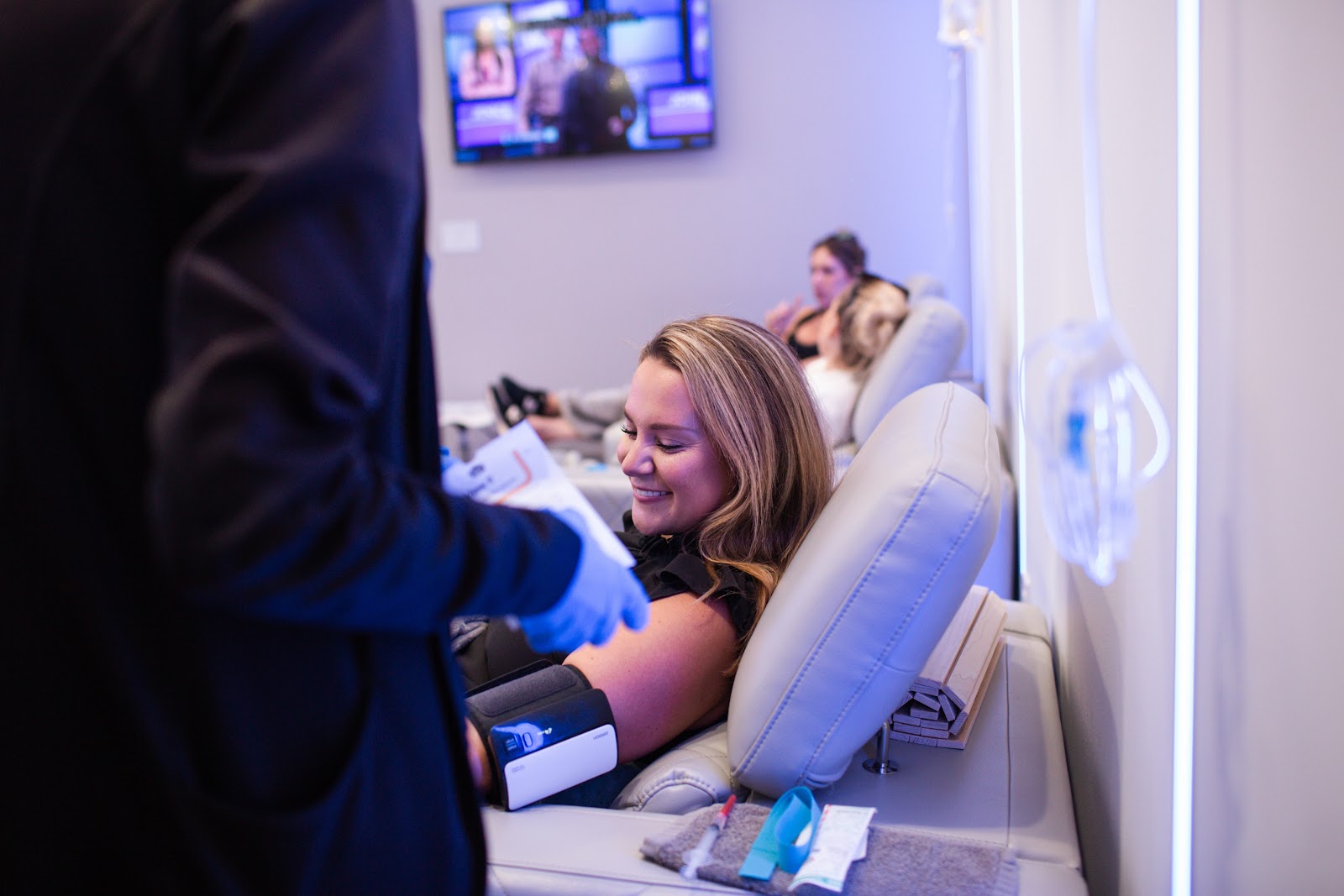
IV vitamin therapy can feel like a smart move when you're pregnant and want to optimize your health. You're tired, maybe dealing with morning sickness, and you see ads for IV drips promising hydration and nutrient boosts. But pregnancy changes everything about how your body processes nutrients and handles medical treatments. What works fine for someone else can be risky for you and your baby. This article walks through what you actually need to know about IV therapy during pregnancy, how to talk to your doctor about it, and what safer alternatives exist.
Why Pregnancy Changes the Rules
Your body during pregnancy isn't just you anymore. Your blood volume increases by about 50 percent. Your kidneys filter more waste. Your metabolism shifts. Nutrients that seem harmless can cross the placenta and affect your baby's development. Electrolytes that feel balancing to a non-pregnant person can create problems when you're pregnant. This is why the IV drips marketed at spas and wellness centers, even reputable ones, aren't automatically safe for pregnancy. Many of these formulas were designed for general wellness, hangover recovery, or athletic performance, not for pregnant bodies.
What Your OB-GYN Actually Recommends
The safest approach is to talk to your obstetrician before considering any IV therapy. Your doctor knows your specific pregnancy, your health history, and any complications. Most OB-GYNs recommend against elective IV vitamin therapy during pregnancy because the risks aren't worth the uncertain benefits. Your prenatal vitamins, a balanced diet, and proper hydration through drinking water do the job. If you're dealing with severe morning sickness or dehydration, your doctor can prescribe IV fluids in a medical setting with proper monitoring. That's different from a wellness spa experience.
The Real Risks
Certain ingredients in commercial IV drips can cause problems in pregnancy. High-dose vitamins like vitamin A, when given intravenously, can increase the risk of birth defects. Some formulations include ingredients that haven't been tested in pregnant women. Even something as common as magnesium, which many spas include, needs careful dosing in pregnancy because too much can affect muscle function and labor. Electrolyte imbalances from IV therapy can trigger contractions or affect blood pressure. Infection from the IV line itself is rare but serious when you're pregnant. The bottom line is that convenience and feeling energized aren't worth the unknowns.
What Actually Helps With Pregnancy Fatigue and Nausea
If you're exhausted or dealing with morning sickness, there are proven, safe options. Eating frequent small meals with protein and complex carbs keeps your blood sugar stable and reduces nausea. Ginger supplements, studied specifically in pregnancy, can ease nausea without risk. Vitamin B6 is safe and recommended by OB-GYNs for morning sickness. Staying hydrated with water, coconut water, or electrolyte drinks designed for pregnancy is effective. Rest matters more than you might think. Your body is doing enormous work. Sometimes what you need isn't a medical intervention but permission to slow down. If nausea is severe enough that you can't keep food or water down, your doctor will recommend IV hydration in a hospital or clinic setting where your baby can be monitored.
When IV Therapy Might Be Medically Necessary
There are situations where IV therapy during pregnancy is appropriate and important. Hyperemesis gravidarum, severe vomiting that prevents nutrition and hydration, sometimes requires IV support. Certain nutrient deficiencies diagnosed by blood work may need IV correction under medical supervision. Dehydration from illness can warrant IV fluids. The difference is that these are medical decisions made by your OB-GYN in a clinical setting, not elective wellness treatments at a spa. Your doctor will weigh the actual benefits against risks for your specific situation.
The Bottom Line for Pregnancy
Your instinct to optimize your health during pregnancy is good. But pregnancy is a time to be cautious about what goes into your body. Skip the elective IV vitamin therapy. Stick with your prenatal vitamins, eat well, drink water, rest, and follow your doctor's guidance. If you're struggling with fatigue, nausea, or other pregnancy symptoms, call your OB-GYN. They can address the real problem safely. Wellness trends that work for other people aren't automatically right for you when you're pregnant. Your job right now is to grow a healthy baby, not to chase every health optimization available.
If you're in The Woodlands and thinking about IV therapy, talk to your obstetrician first. ThrIVe Drip Spa is here for wellness support when it's appropriate, but pregnancy care belongs with your medical team. Call us if you have questions, and always check with your doctor before starting any new treatment.